Ahmed Al-Mehmendar Mosque

This mosque was established by Prince Shehab Al-Deen Ahmed al-Mihmandar who was the leader of the Egyptian army in the third period of Sultan Al-Nasser Muhammad ibn Qalawun back in 725 AH (1324 AD). The building was initially organized as a school and as a khanqa, but Prince Soliman Al-Qazadoghli decided to build a minaret and a mimbar and convert it into a mosque in 1722 A.D.

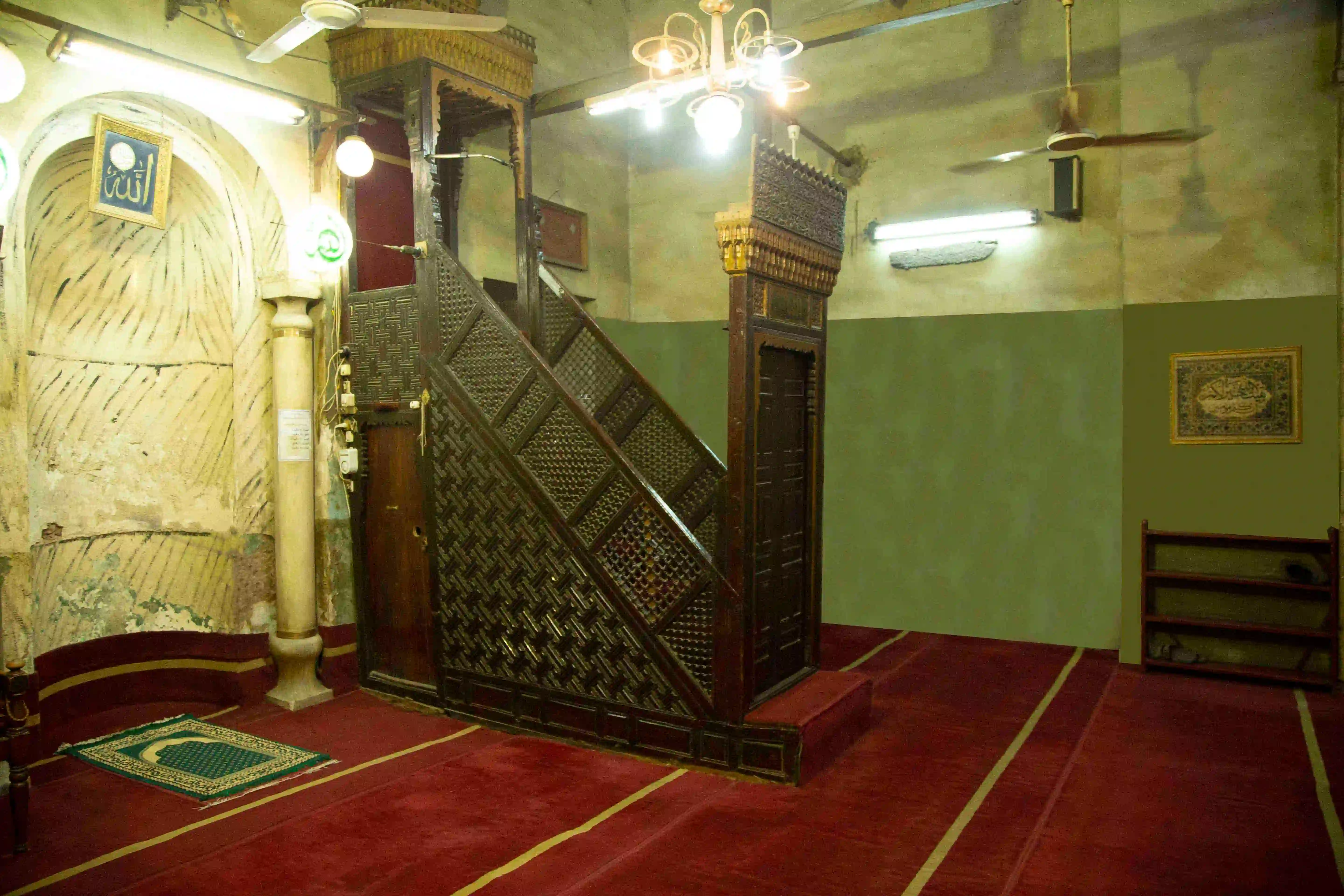
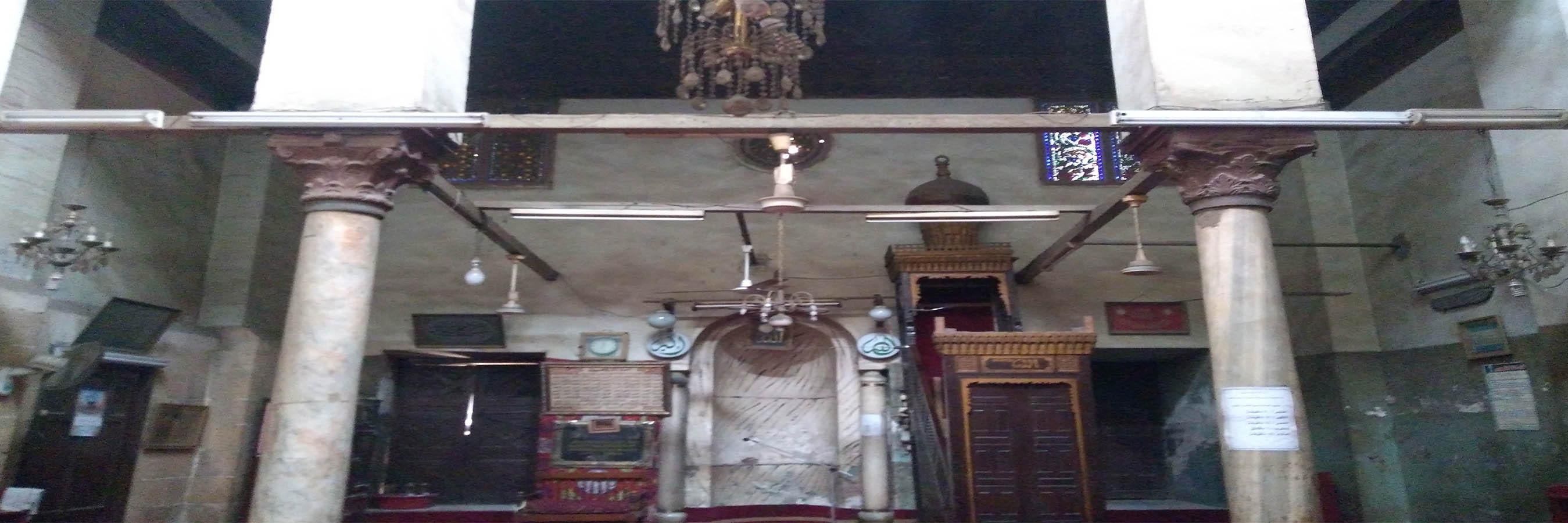
The wooden mihrab

Architecture

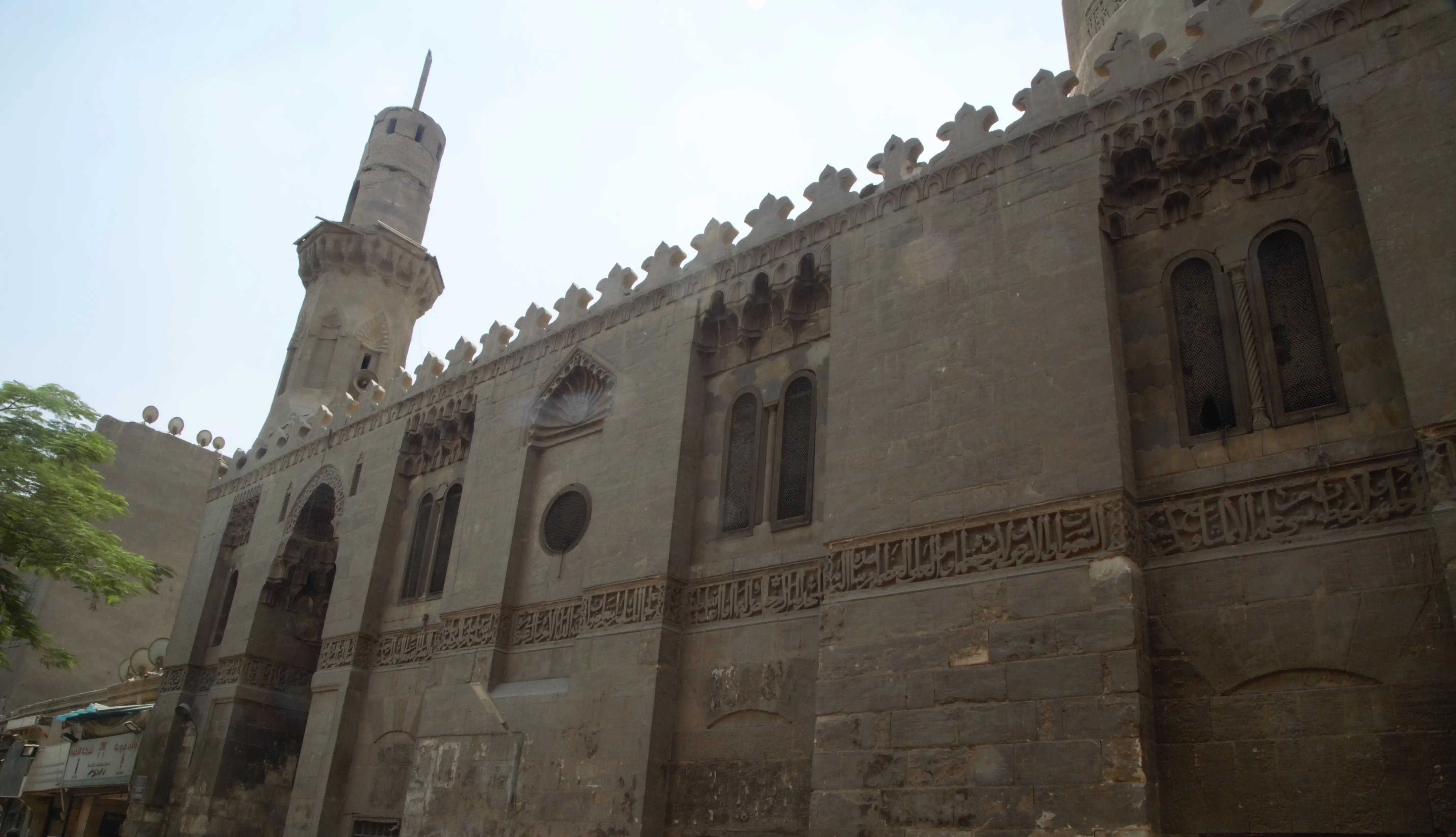
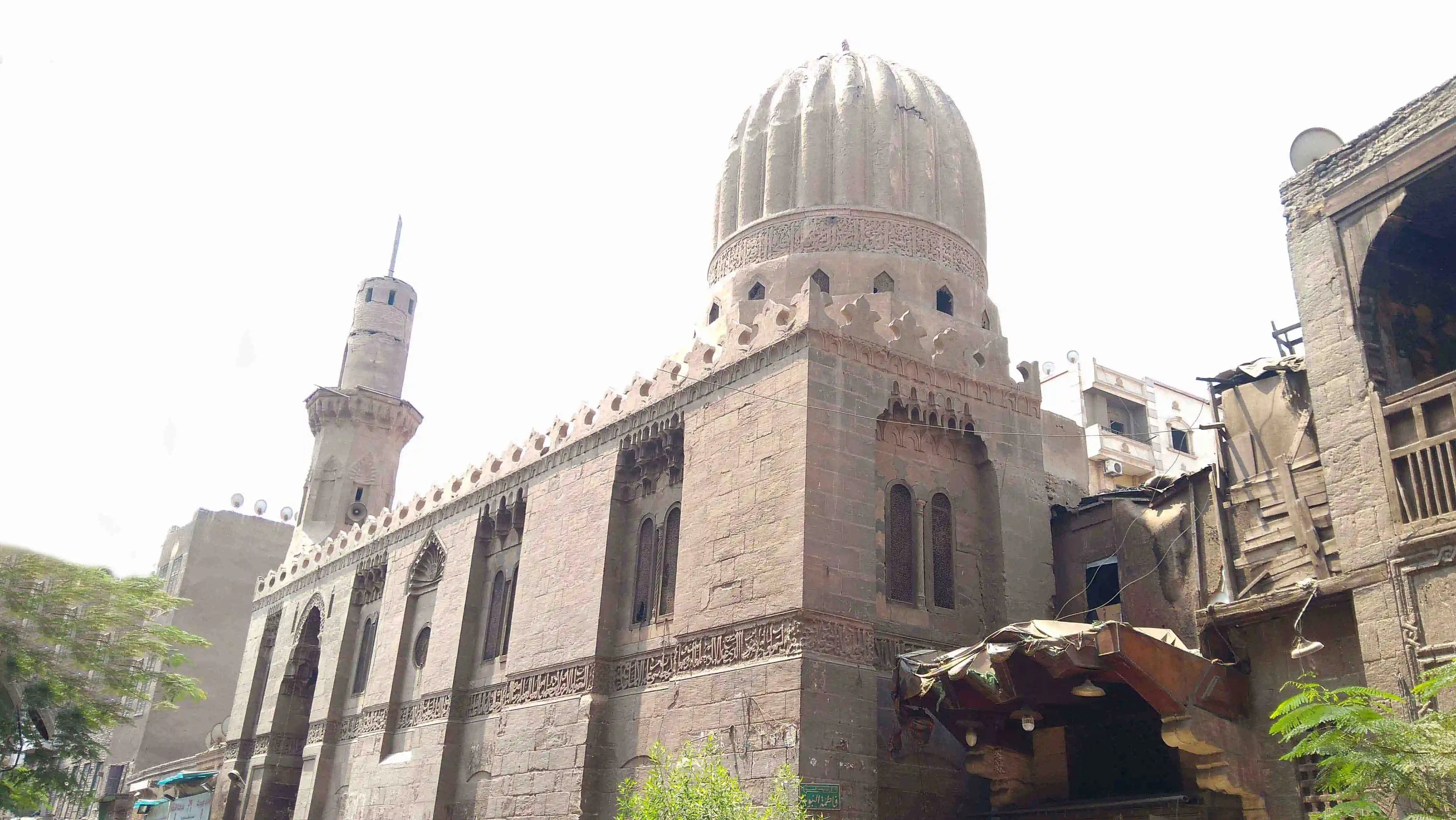
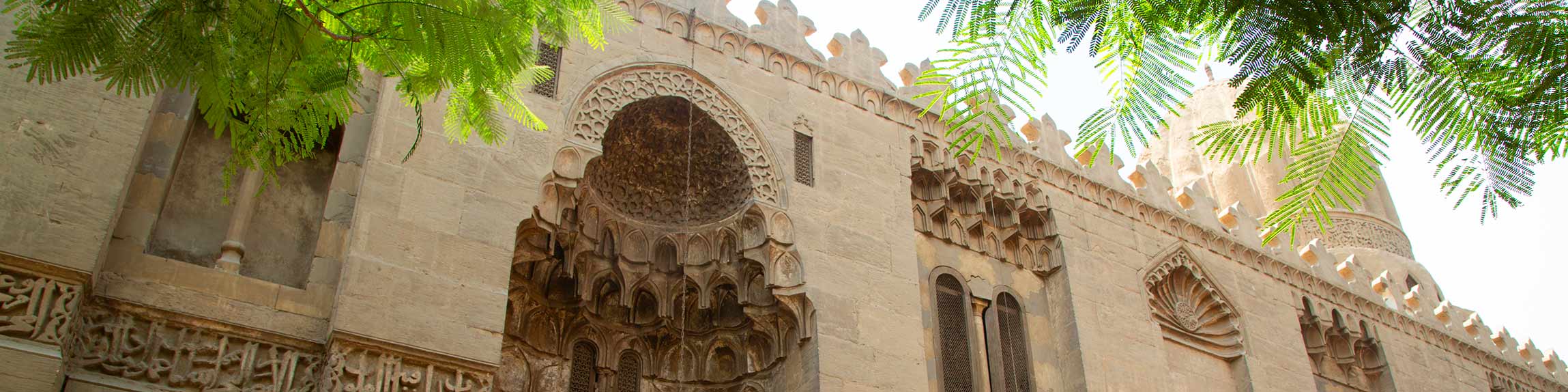
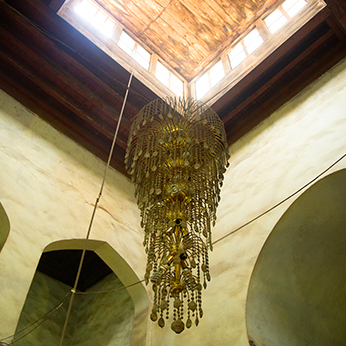
The main façade of the mosque is on the southeastern side of the Tabbana Street. A vertical entrance leads to the main door and straight away to the mosque’s court. The internal design follows the typical four iwans-typology of the madrasas and the dome, which is located on the northeastern corner, is built with bricks from the outside.

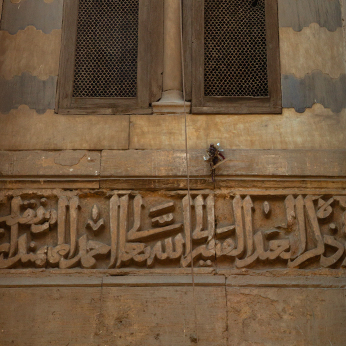
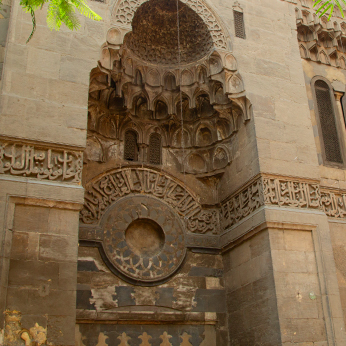
The external façade of the mosque

1050
people are checking in Ahmed Al-Mehmendar Mosque

The building was not restored recently and would deserve a comprehensive intervention.

The mosque's minaret and dome


Restoration

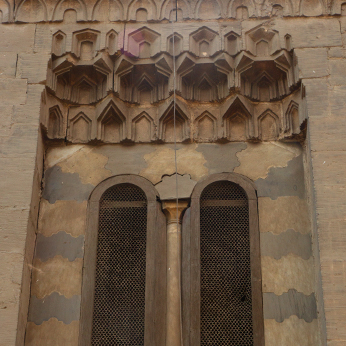
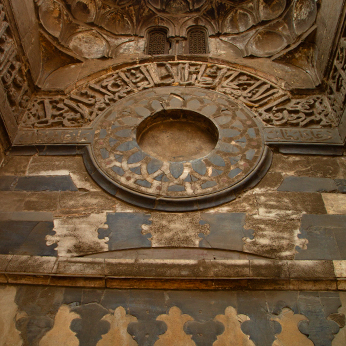
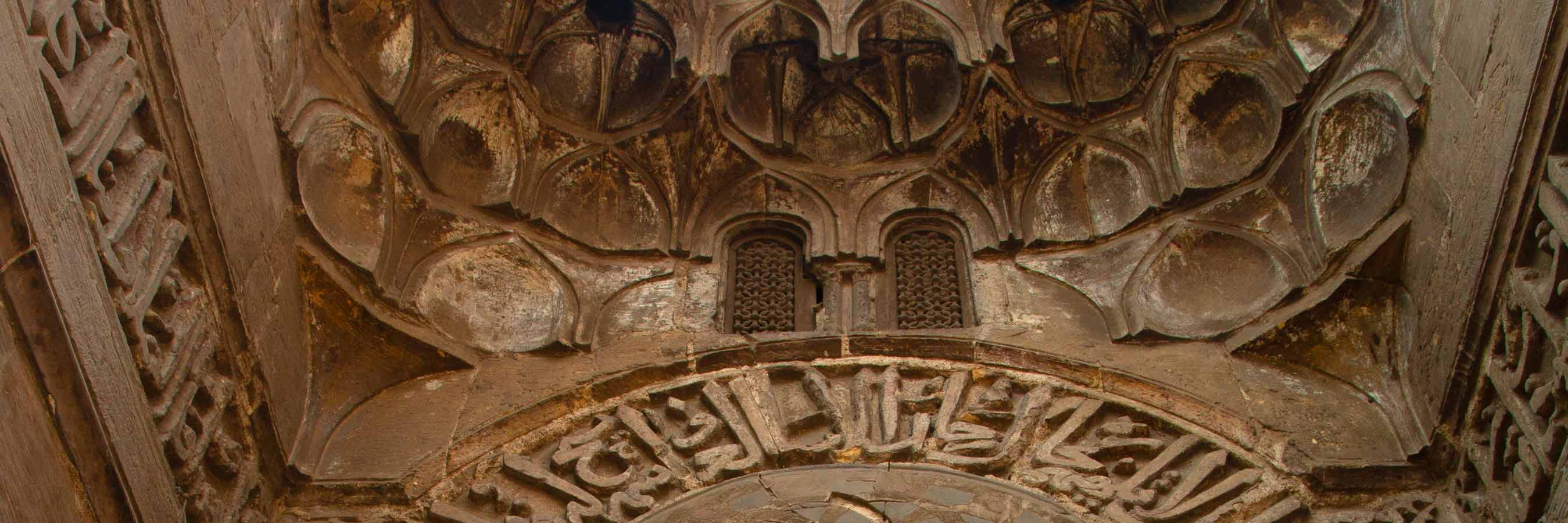
Stalactites above of The main entrance of the mosque

Location:Cairo, Egypt
Coordinates:30.040872°N 31.259504°E
Built:Est. 725 AH / 1324 AD
Governing body:Ministry of Tourism and Antiquities
Architectural Type:mosque.
Architectural style:Mamluk

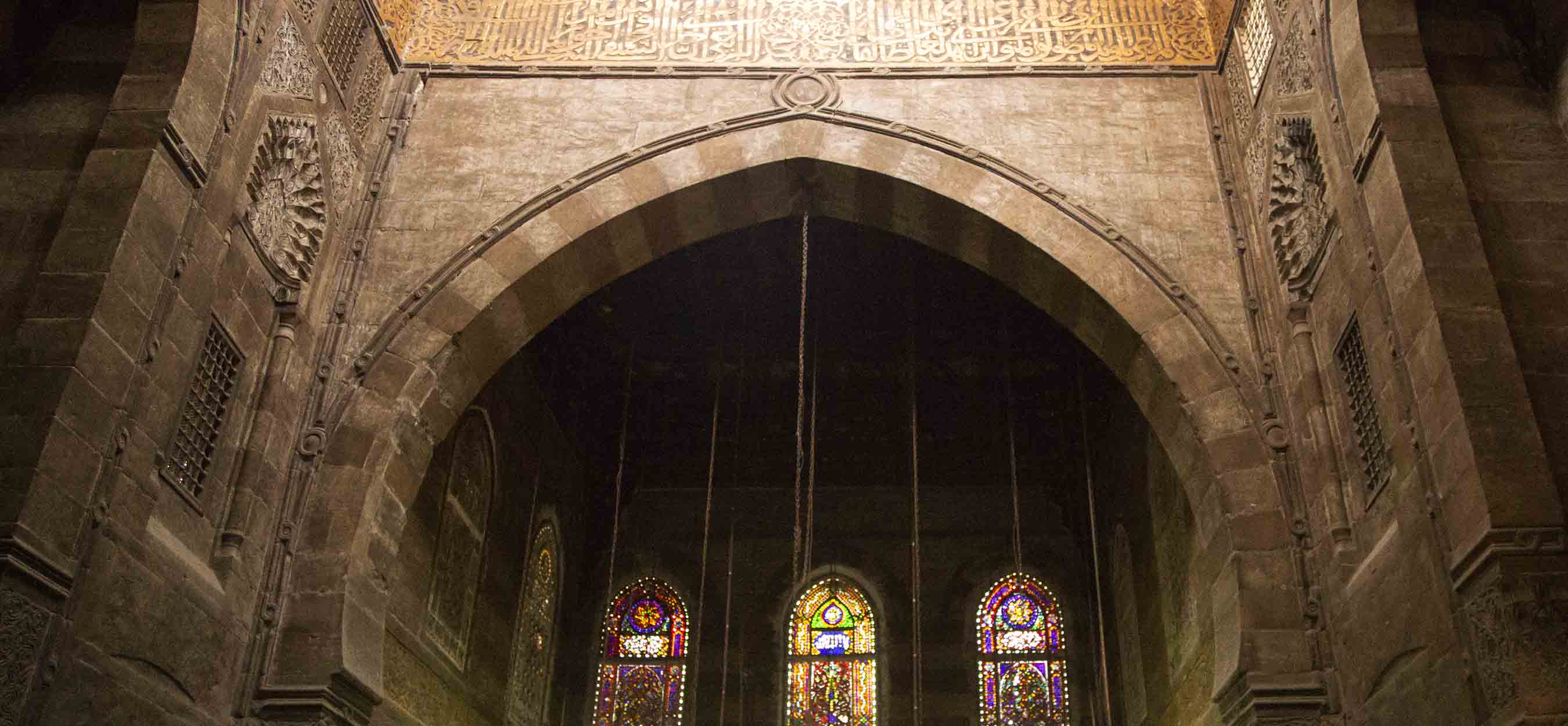
Qibla's Iwan

Stalactites with squishes above the entrance

Mosque of Qijmas Ishaqi a.k.a Abu Hariba Mosque

The building complex was established by Prince Qajmas al-Ishaqi, one of the Mamluks during the rule of Sultan Qaitbay. Its alternative name, Abu Hariba, is inspired from Sheikh Abu Heriba who was known as a wali and was buried under the dome of the mosque in 1852. This mosque is distinguishable from other mosques in Al-Darb al-Ahmar because of the large number of shops for rent in the basement to fund the maintenance cost of the building. Also notable is that the mosque is featured on the 50 Egyptian pounds banknotes.